

Comal County Family District Court Information
| Information | Details |
|---|---|
| Location | Comal County District Clerk’s office, 150 N. Seguin Avenue, New Braunfels, Texas, 78130 |
| Contact | (830) 221-1250 |
| Office Hours | Monday through Friday, 8:00 AM to 5:00 PM, excluding public holidays |
| Security | Security checkpoints at entrance; bags screened; metal detectors in use |
| Parking Tips | Limited parking; arrive early to secure a spot and allow extra time for parking and security |
Eligibility and Comal County Requirements
In Comal County, filing for divorce is simple. One spouse must have lived in Texas for six months and in the county for 90 days. The no-fault option, claiming the marriage is “irretrievably broken,” is popular, as it avoids proving fault, reducing conflict and stress for everyone.
The 6-Month Texas Residency and 90-Day County Rule
In Texas, to file for divorce, at least one spouse must have lived in the state for six months and in the filing county for 90 days. These requirements establish jurisdiction and proper venue. If a spouse lives out of state, the divorce should be filed in the in-state spouse’s county of residence.
How to File for Divorce in Comal County: Step-by-Step
To manage divorce in Comal County, understand the legal framework and procedures. Ensure compliance with Texas and local laws when filing documents, whether in person or online.
Step 1: Preparing the Original Petition for Divorce
To prepare the Original Petition for Divorce in Comal County, Texas, download the necessary forms from the local court’s website. Include your and your spouse’s names, details about any children, and state the grounds for divorce, whether no-fault (insupportability) or fault-based. Specify your requests regarding property division, child custody, and support. Gather important documents like marriage certificates, financial statements, and any prenuptial agreements, ensuring all information is accurate. Consider drafting a sworn inventory of community and separate property. Consult an attorney if you’re uncertain about any legal specifics. Make several copies of the petition for filing, keep one for your records, and have payment ready for filing fees or an affidavit of inability to pay.
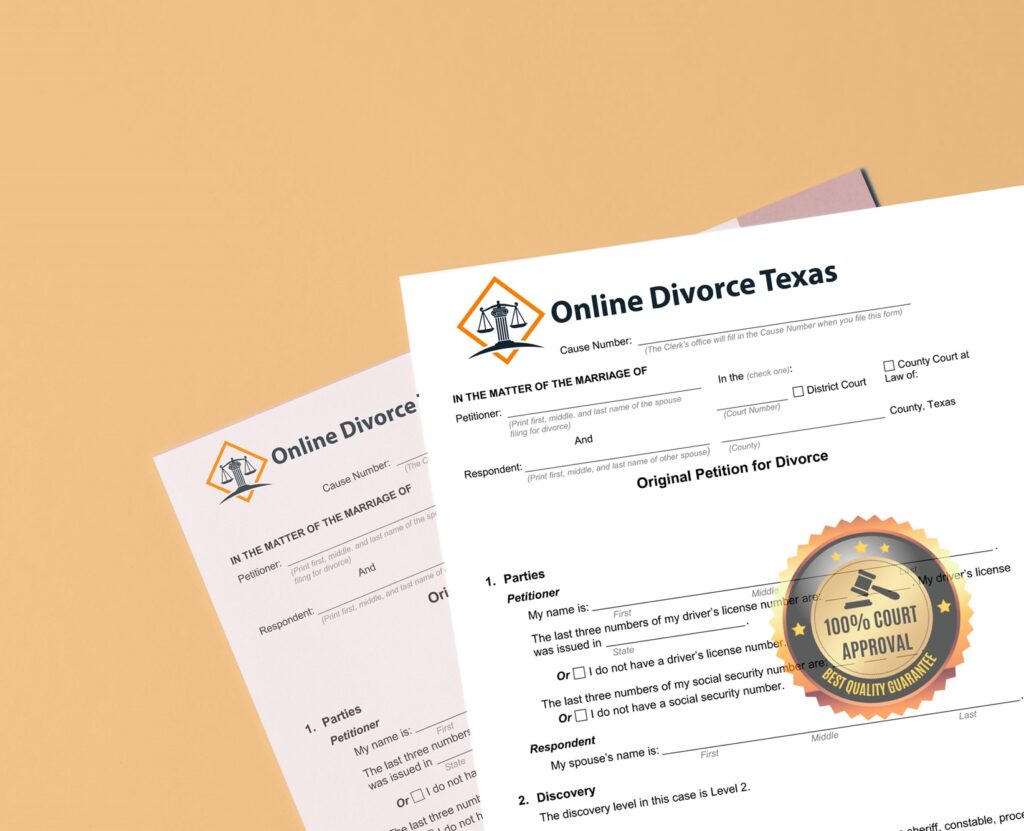
Create your free account to see if you’re eligible to file for online divorce in Texas. Complete all paperwork from the comfort of your home, with no hidden fees.
Step 2: Filing Fees and E-Filing via the District Clerk
The divorce filing fee in Comal County is around $350; verify the exact amount with the District Clerk’s office as fees may change. Use the Texas eFile system to submit your divorce documents efficiently. Sign up on the eFile Texas website, upload your completed petition, and choose the District Clerk of Comal County as the filing office. Pay the fee online with a credit or debit card, and use the provided tracking number to monitor your filing.
Step 3: Service of Process and Waivers of Service
In Comal, Texas, divorce papers must be delivered to your spouse by a process server, sheriff, or authorized person for official notification of the proceedings. A Waiver of Service allows your spouse to acknowledge receipt of the papers and skip formal service, but it must be signed in front of a notary. Timely delivery is essential to prevent any hold-ups in the process.
Requirements for Parents: The Parent Stabilization Class
In Comal County, Texas, parents involved in divorce or custody cases must complete a four-hour Parent Stabilization Class. The course, run by a state-approved vendor, ensures that all content adheres to Texas standards. It’s important to select a class designed for Comal County due to differing county requirements. After finishing, parents receive a Certificate of Completion to submit to the court, confirming their compliance.
The 60-Day Waiting Period and Finalizing Your Case in Comal County
In Comal County, Texas, a 60-day waiting period follows the filing of any uncontested divorce case, providing time for reconsideration and ensuring that the decision is well-considered. After this period, if both sides agree, the divorce can be finalized. In contrast, contested divorces may require mediation, where a neutral party helps resolve disputes on issues like property and custody, potentially sparing everyone from a long and drawn-out court drama.
Erin Bensen is a relationship expert and a writer known for her articles on love and marriage. Being a paralegal, she also writes about divorce and the procedures around it. Erin regularly contributes to Modern Love Counseling and other divorce blogs, offering practical advice and support. Right now, Erin is working on her personal podcast, where she intends to discuss the complexities of relationships and help couples considering divorce.